Introduction to Khumbu
Khumbu is often introduced through mountains, but it is also a region of villages, routes, monasteries, families, schools, tea houses, and seasonal rhythms shaped by tourism and local life.
Khumbu context
The Everest region is a lived cultural landscape. Sherpa Trails introduces it with care, context, and respect for local communities.
Respectful context
This page keeps the first version focused: regional context, Sherpa identity, Buddhist influence, trail etiquette, tea-house life, festivals, and the guide's role.
Khumbu is often introduced through mountains, but it is also a region of villages, routes, monasteries, families, schools, tea houses, and seasonal rhythms shaped by tourism and local life.
Sherpa is an ethnic and cultural identity, not a generic word for porter. The website should use the word carefully and avoid reducing people to mountain labour or heroic stereotypes.
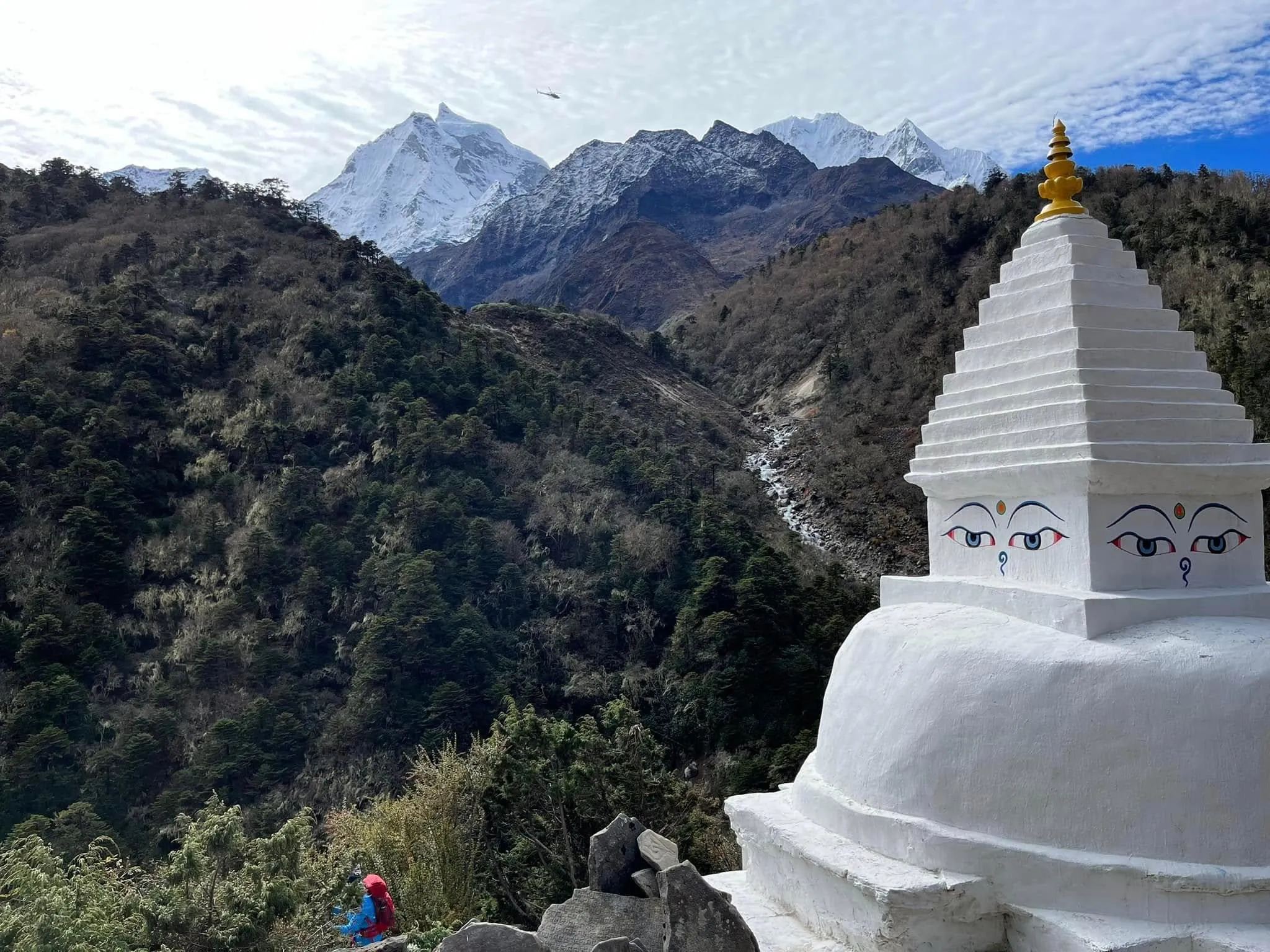
Buddhist practice, monasteries, prayer flags, stupas, mani walls, and trail etiquette are part of the region's cultural landscape. They should not be used as generic decoration.
Tengboche Monastery is one of the best-known spiritual landmarks in the Everest region. More detailed visitor guidance can be added after local review.
Tea houses are places to rest, eat, talk, and understand the daily logistics of trekking. Expectations should remain practical and respectful.
Mani Rimdu, Dumji, and Losar may be introduced as important cultural events, but exact festival dates should not be published until confirmed for a specific year.
A local guide can help travellers understand customs, appropriate behaviour, local stories, and when to slow down, ask, or simply observe.
Trail etiquette
Respectful travel is often practical and quiet: ask before taking photos, listen when a guide explains a custom, and avoid treating sacred or everyday objects as props.
Regional imagery
Images are used to support explanation, not to turn religious or everyday life into a visual prop.
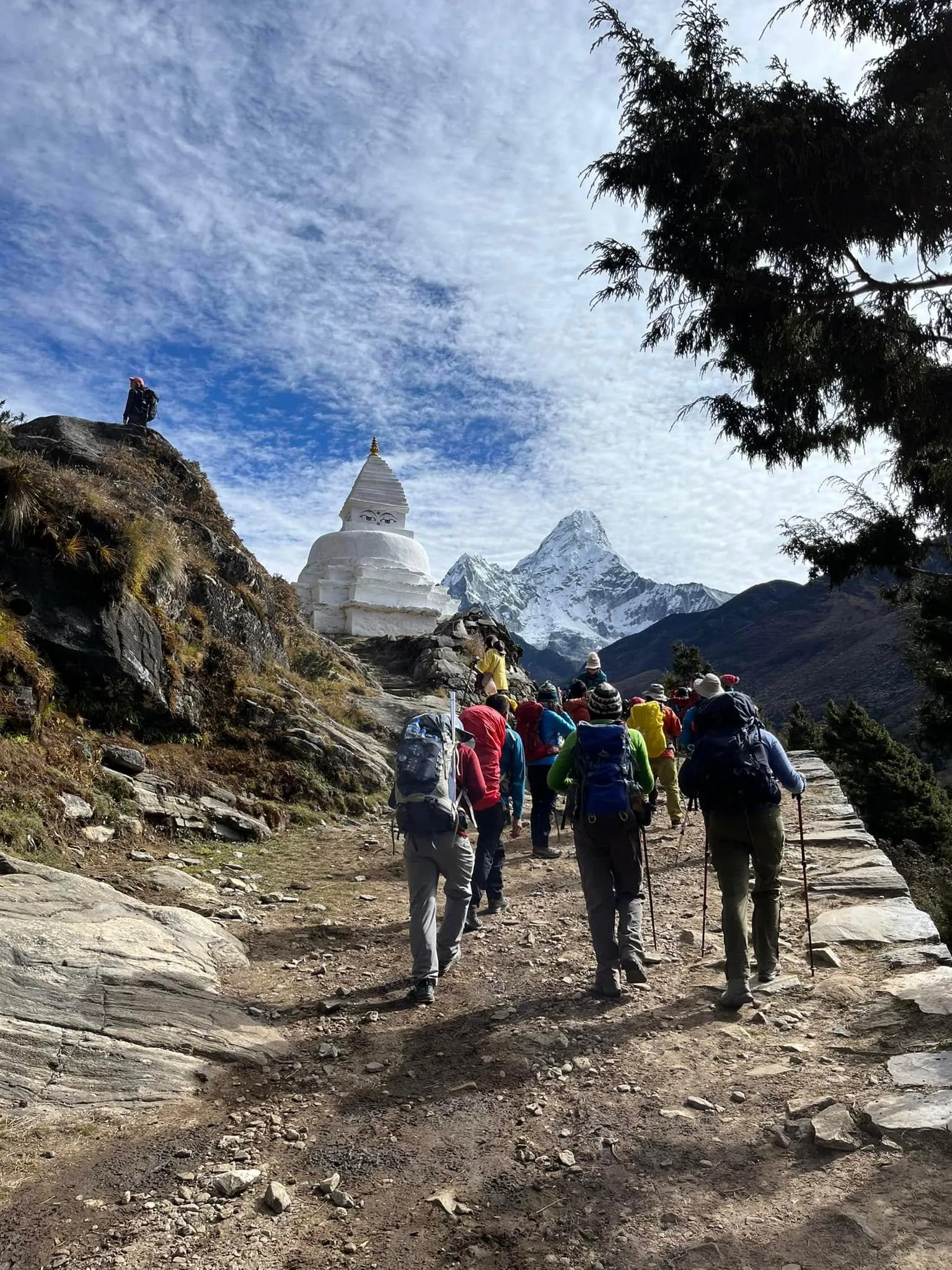
Cultural landmarks are part of the trail and should be approached with respect.
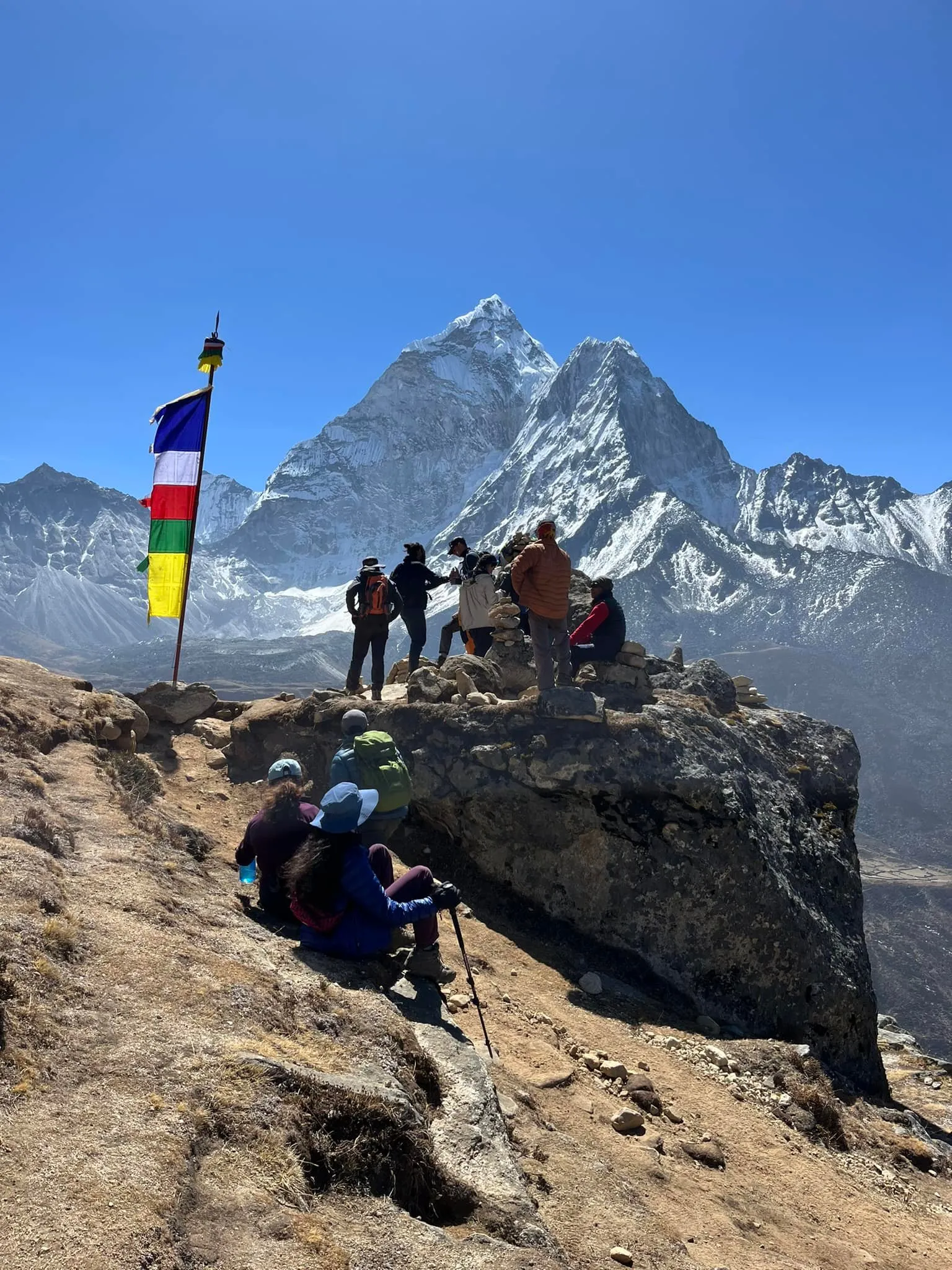
Shared viewpoints can hold cultural meaning as well as mountain scale.
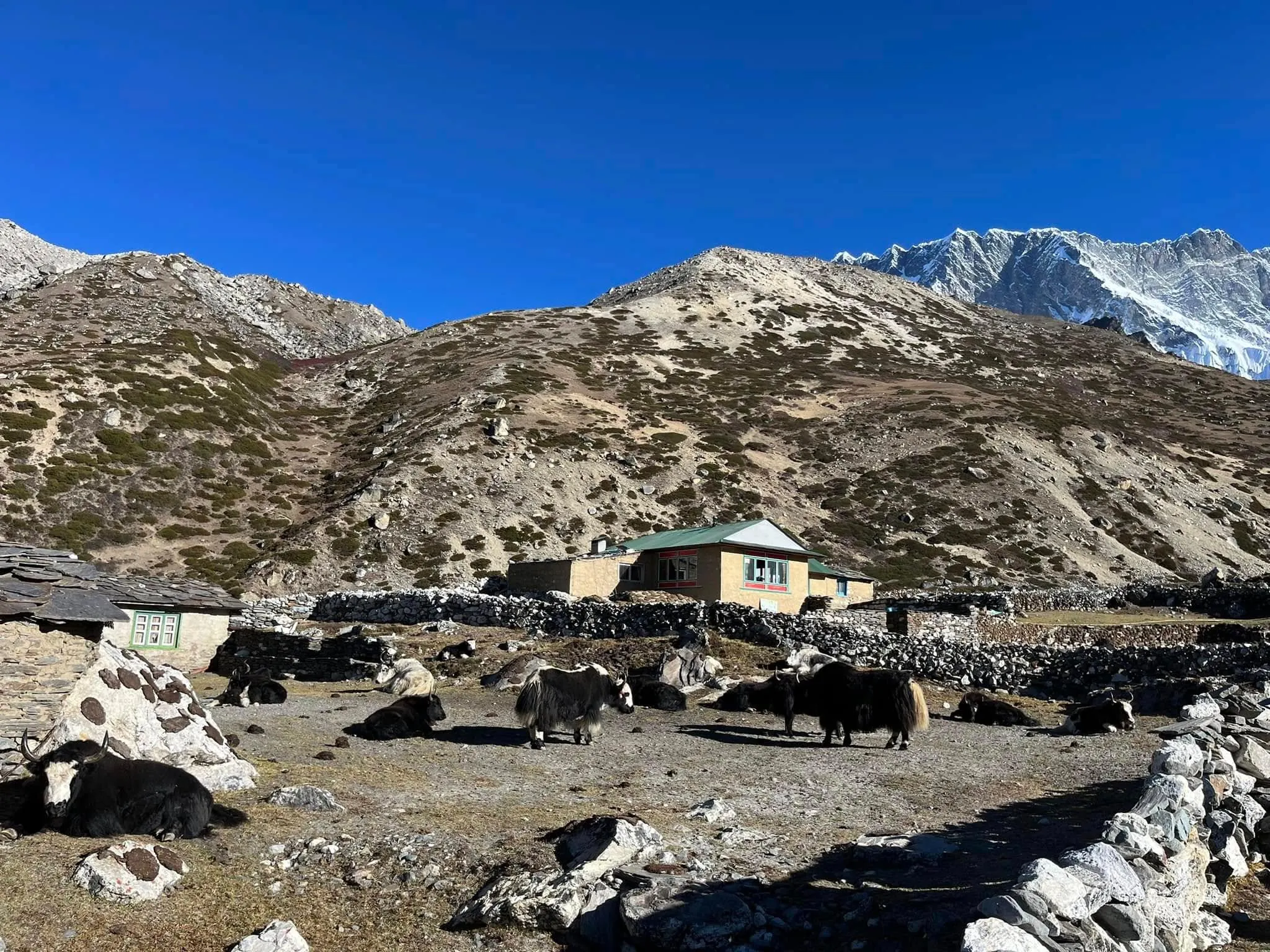
Mountain life includes homes, work, animals, routes, and changing seasons.
Start planning
A local guide can help travellers understand when to ask, observe, pause, and move with care.